EDITORIAL DRAFT — outline only. Not ready for publication. AI infrastructure decisions, part 3 of 6. Audience: teams evaluating deployment options.
Start with constraints, not a preferred platform
[Use the workload checklist from part 2 to establish quality, latency, volume, location, control and operational requirements. Explain that deployment routes may not offer equivalent models or capabilities.]
Compare the three routes
- [Model API: charging units, availability, provider limits, data handling and integration effort.]
- [GPU cloud: rented capacity, model operations, idle time, scaling and commitments.]
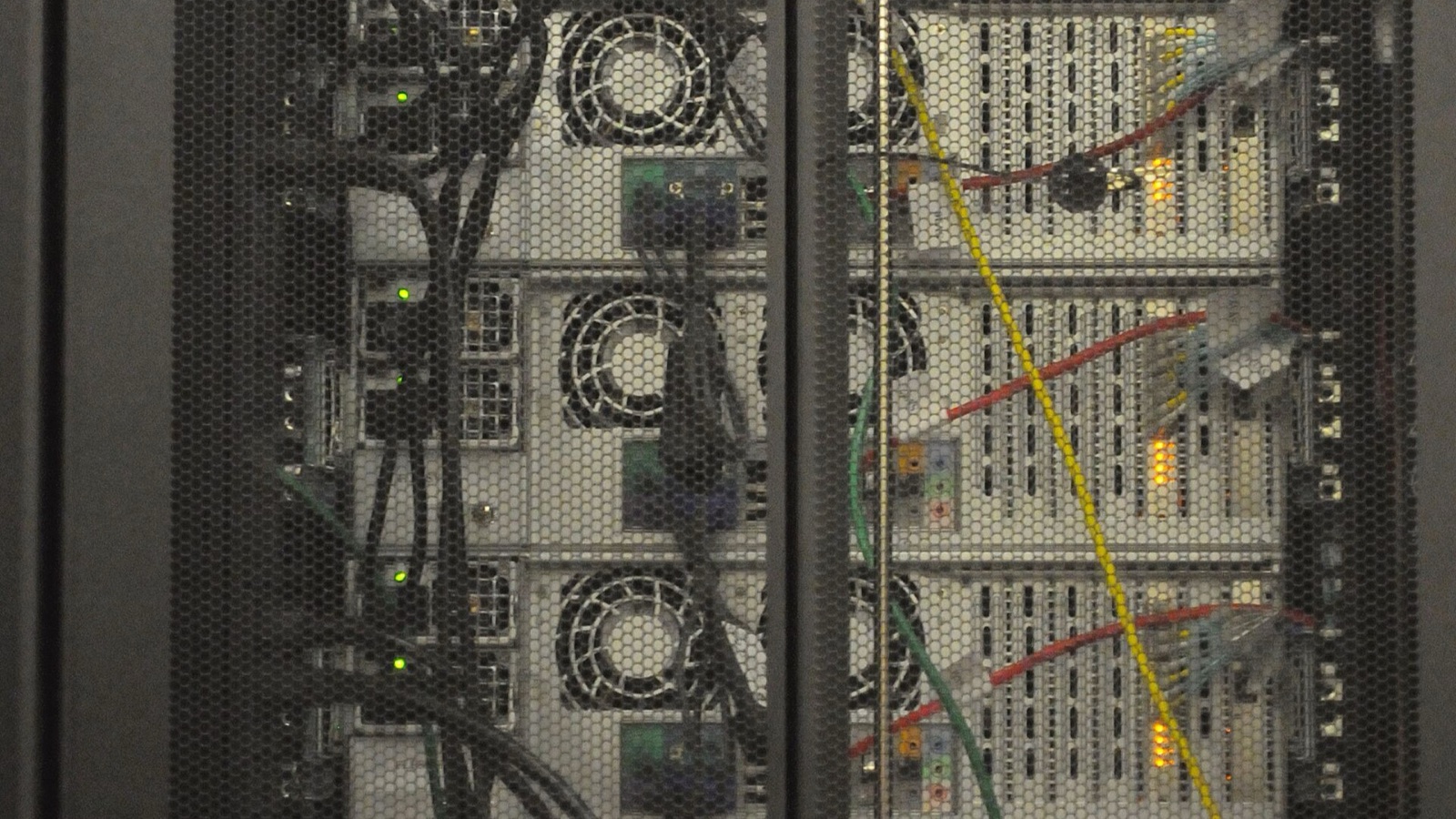
- [Own hardware: acquisition, hosting, power, staffing, maintenance and capacity risk.]
A comparison with explicit assumptions
[Build a worked example and sensitivity analysis, not a universal break-even claim. Include capital amortisation, staffing, utilisation, commitments and workload growth. State currency, taxes, region, pricing date and exclusions.]
Evidence and measurement checklist
[Collect dated provider pricing and hardware specifications. Publish hardware, model, precision, utilisation, workload and measurement date. Use comparable quality and latency targets; explain where equivalent performance cannot be established.]
Reader next step
[Create and test a cost-comparison worksheet with editable assumptions and visible formulas. Intended CTA: use the worksheet. No download link until the file exists; keep it separate from newsletter consent. Link to part 4 only when published.]