EDITORIAL DRAFT — outline only. Not ready for publication. AI infrastructure decisions, part 1 of 6. Audience: readers exploring the data-centre industry and its connection to AI applications.
The question: what are you actually buying?
[Write an opening that follows an AI request from application to compute, network, power and cooling. Separate the physical facility from the services sold to the customer.]
From a building to a usable service
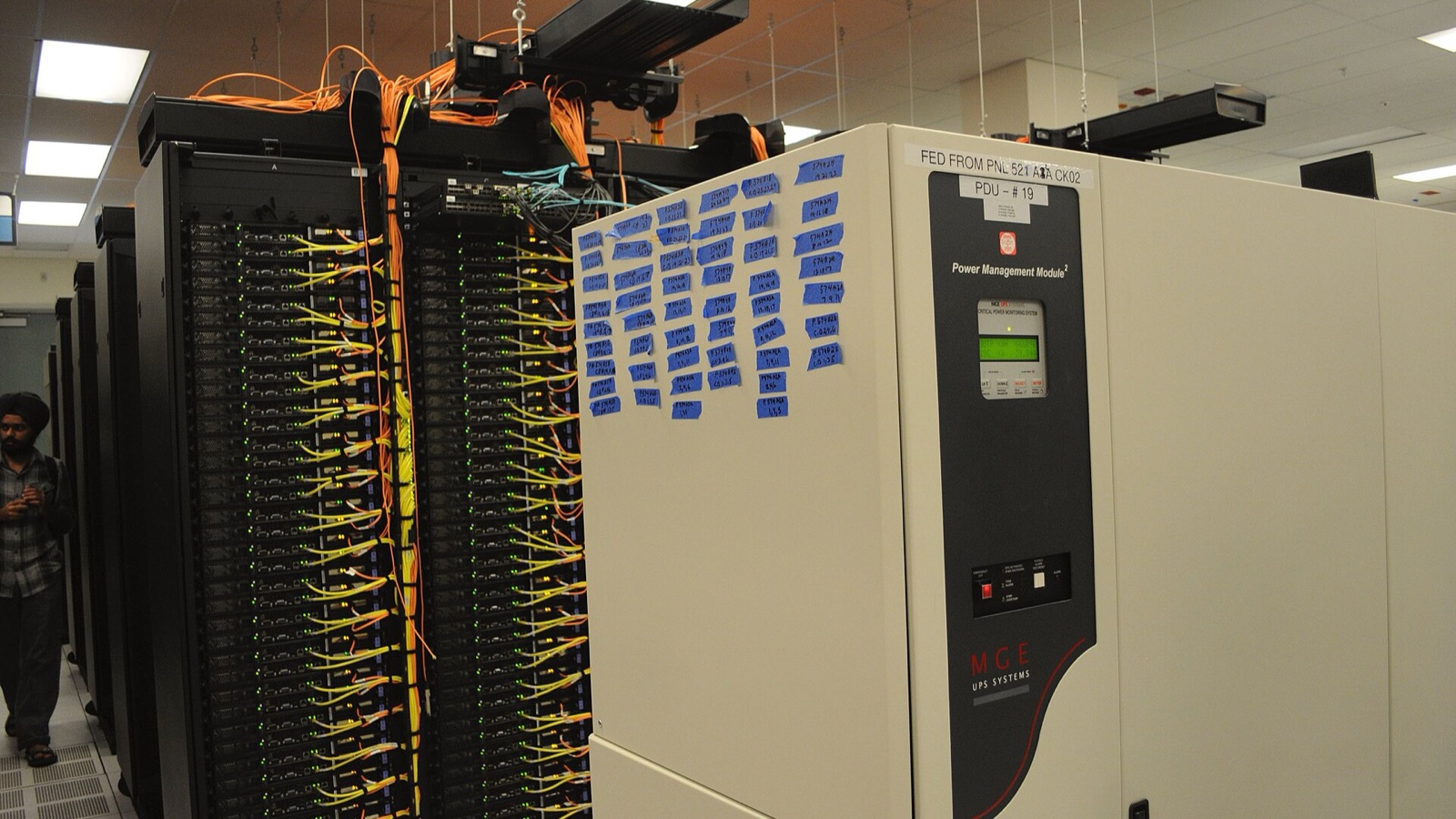
- [Explain power, cooling, connectivity, racks and operational resilience.]
- [Distinguish colocation, dedicated servers, GPU cloud and managed model APIs. Identify who operates each layer.]
- [Explain why a facility’s megawatt capacity is not a measure of usable AI throughput.]
Which questions matter to an AI buyer?
[Introduce availability, workload suitability, connectivity, location, cost and operational responsibility. Keep planning and energy context relevant without implying every reader is buying compute.]
Evidence and review checklist
[Find primary sources for facility terminology and service boundaries. Date examples, distinguish announced capacity from operational capacity, and verify any resilience claims. For performance or cost examples, record hardware, model, precision, utilisation, workload and measurement date; label estimates.]
Reader next step
[Intended CTA: subscribe to the series through a separate, explicit newsletter opt-in. Signup does not exist yet: do not publish a non-working form or promise delivery. Until available, link only to the existing Articles page. Add part 2 when published.]